

by Achadu Gabriel, Kaduna
Mrs. Love Marcus, a young woman from Gidan Waya, Lere Local Government Area of Kaduna State, stood before a room of fellow survivors and church leaders in Kaduna on Friday and said what many have lived through but few can voice: “I don’t know. I don’t know. I don’t know,” she lamented.
Mrs. Marcus was kidnapped along with others when gunmen attacked her community. She was pregnant at the time. Her husband was killed during the raid. As the kidnappers moved their captives into the bush, she struggled to keep up. When she fell off, they beat her, despite the pregnancy.
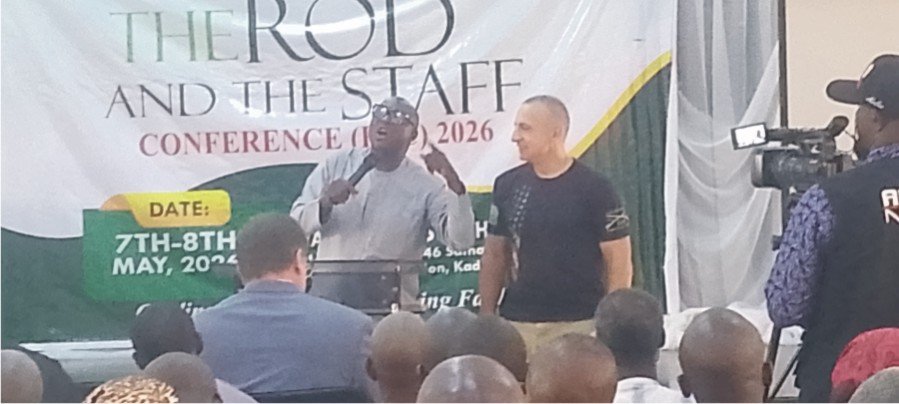
during interactive workshop with 150 bandit survivors on Friday/Saturday.
“I kept struggling until God sustained me to reach their camp,” she said. There, the abductors demanded a huge ransom. By then she was a month from delivery. With no medical help, she gave birth in the camp.
“Thank God. After the ransom was paid, the baby and the mother came back alive. The baby was born on Dec. 22, 2025. She is now about five months old,” she said.
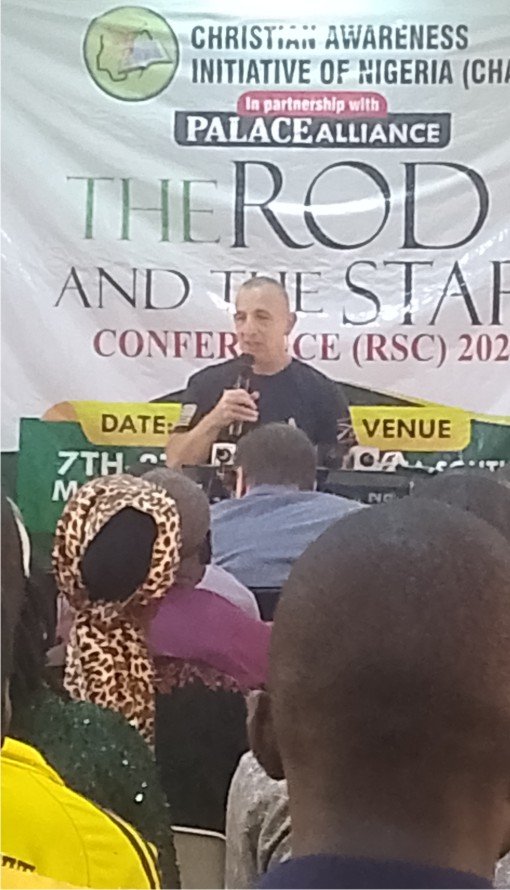
Mrs. Marcus is one of 149 survivors attending a two-day interactive workshop in Kaduna, from May 7-8, 2026. The event, held at ECWA Kaduna South DCC Chapel, was organized by Christian Awareness Initiative of Nigeria (CHAIN), in partnership with Palace Alliance.
It brought together survivors from across Kaduna’s 23 local government areas, many of whom met for the first time since sharing experience in captivity.
She described life after release as its own trauma. A facilitator narrated the situation as: “Part of her challenge is, when she looks at the baby, she gives her the baby without the father there and knowing fully that her husband is not alive. Even when she is returning home, she’s only going to meet an empty place.” The church and community have been supporting her since her return.
Other participants shared similar accounts. One woman, Mrs. Sim Paul (from Kafanchan) said she was kidnapped in Zamfara State, held for a month, and forced to consider converting to Islam. “I said, “No;” I will never do that,” she said.
Her family paid N8 million of a demanded N10 million ransom before she was released. Another group of 13 captives spent five months in the camp. Their families paid N70 million in ransom, plus N7 million in other charges, to secure her release. Two captives were killed in November 2025.
The workshop also featured Rev. Fr. Yakubu Jerry Kaukwai of the Catholic Diocese of Kafanchan, and Rev. Margie Caleb, Chairman of the Christian Association of Nigeria, Kaduna State Chapter.
“It has been heartbreaking, traumatizing – what our members went through is something that can better be imagined and experienced,” Rev. Caleb said.
She also said “Government efforts have prevented a worse situation, but we are not yet out of the woods.”
CHAIN CEO, Rev. Joseph John Hayap, said the goal is to use the Bible to help survivors heal and to train church leaders to support them. “When people are traumatized, they need leaders that can help them to get out of their trauma, to stand firm and continue their lives,” he said.
Hayap said many survivors only realized in the workshop that they had been held in the same camp. “They started telling us stories… if you hear it then you will know that we have a lot to do to bring an end to this evil,” he said.
Former U.S. Army Officer and missionary Journalist, Antonio Graceffo, who attended the workshop, said Nigeria has the capacity to end the violence but needs coordinated action and international support.
“These attacks are happening every single day and people are becoming numb to it. We need to find ways to secure our villages and keep the people safe but, at the same time, we need to not hate anybody because we don’t want this to escalate,” Graceffo said.
He cited models in Syria and Iraq where Christian communities, authorized by government, participate in local security. “This all has to be done legally. We don’t want a situation where you’ve got militias and rebel armies,” he said.
Survivors at the workshop appealed directly to government: “We want the government to put an end to all these attacks and kidnappings that is happening in our country, Nigeria, because we love our country; we cannot be able to sleep in our houses; our children they cannot be able to go to schools,” Mrs. Paul said.
The workshop concluded Saturday. Organizers were optimistic that the testimonies will inform advocacy and trauma-support programs for affected communities in Kaduna State.