

by Achadu Gabriel, Kaduna
Group, known as the ‘African Climate Reporters’ (ACR), has raised concerns over the “rapid decline” in global honey bee populations, blaming pesticides, climate change, habitat destruction, and poor environmental practices for the growing threat to the vital pollinators.
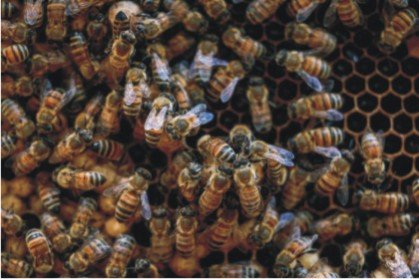
In a statement issued on Monday to mark World Honey Bee Day, the group stressed the crucial role bees play in agriculture, biodiversity, and environmental sustainability.
The statement, signed by the Head of Communication and Strategies, Ibrahima Yakubu, noted that honey bees are among the world’s most important pollinators, helping to sustain food production and maintain ecological balance.
According to the group, the excessive use of pesticides and harmful agricultural chemicals remains one of the leading causes of bee population decline, as the substances weaken bees, disrupt their navigation systems, and often lead to death.
The statement also identified climate change as a major factor affecting bee survival, explaining that changing weather patterns disrupt flowering seasons and reduce food sources for bees.
ACR further warned that urbanisation, deforestation, and land degradation have continued to destroy natural habitats needed for bees to live and reproduce, while diseases and parasites such as the Varroa mite pose additional threats to bee colonies worldwide.
The group said pollution and other harmful environmental practices have worsened conditions for bees, urging governments, farmers, environmental organisations, and individuals to take urgent action to reverse the trend.
It called on farmers to embrace environmentally-friendly agricultural practices and reduce reliance on harmful pesticides, while governments were urged to introduce stronger policies to protect bee habitats and support sustainable farming.
The statement also encouraged the planting of trees and bee-friendly flowers in homes, schools, and communities to provide food and shelter for bees.
ACR emphasised the need for increased public awareness and environmental education on the importance of bees and biodiversity, adding that research institutions should intensify studies on bee diseases and the impacts of climate change.
The group urged individuals to support local beekeepers, reduce pollution, and protect natural ecosystems. “Saving the bees means securing our future, our food systems, and the health of our planet,” the statement added.