

by Achadu Gabriel, Kaduna
“Plants are rated among the most important living things on earth, but are often undervalued,” a statement shared with newsmen by ‘Head of Communication and Strategies,’ a science and environment journalist African Climate Reporters has revealed.
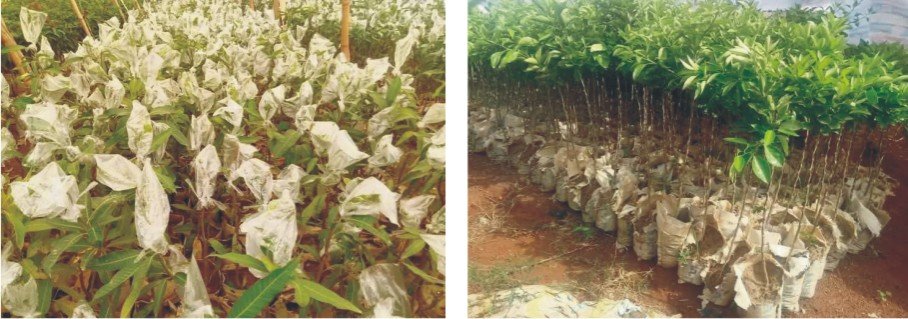
According to the statement shared Thursday in Kaduna, the plants and animals provide oxygen, food, medicine, and shelter for humans and animals alike, adding that, “Without plants, life on earth would not exist as we know it.
“Unfortunately, many plant species are now facing serious threats due to human activities such as deforestation, urbanization, overgrazing, pollution, and climate change,” they stated.
“According to a report by the United Nations some years ago, about one million plant and animal species are at risk of extinction worldwide.
“This alarming figure highlights the urgent need for global action to protect biodiversity. The loss of plant species is particularly dangerous because plants form the foundation of most ecosystems.
“Protecting plants from extinction is essential for maintaining ecological balance. Plants help regulate the climate by absorbing carbon dioxide and releasing oxygen.
“They also prevent soil erosion, support water conservation, and provide habitats for countless animal species. When plant species disappear, entire ecosystems are disrupted – leading to long-term environmental consequences.
“Many indigenous trees are facing extinction due to a combination of human and environmental factors. Large-scale deforestation for farming, construction, and fuel has significantly reduced natural forest areas where these trees once thrived,” it stated.
According to the release, in many regions, uncontrolled logging and illegal timber harvesting have also contributed to the rapid loss of native tree species.
Climate change, it noted, is another major factor, as rising temperatures and changing rainfall patterns affect the growth and survival of many indigenous trees.
Additionally, urban expansion continues to replace natural habitats with buildings and infrastructure, leaving little space for these trees to regenerate.
Other factor listed is “Overgrazing by livestock and bush-burning further damage young plants, preventing forests from naturally renewing themselves.”
The statement noted that, “As a result, many indigenous tree species are disappearing, threatening biodiversity, ecosystems, and the livelihoods of communities that depend on them.
“Furthermore, many modern medicines are derived from plants. The extinction of plant species could mean the loss of potential cures for diseases that may affect humanity in the future. This makes plant conservation not only an environmental concern but also a matter of public health and survival.
“Everyone has a role to play in protecting plants. Governments should enforce strict environmental laws, support reforestation programs, and discourage deforestation.
“Communities must be educated on the importance of planting and preserving trees, while individuals can contribute by planting trees and avoiding unnecessary destruction of vegetation.
“To effectively protect plants from extinction, several steps must be taken as a way forward. First, there should be stronger environmental policies and strict enforcement against illegal logging and land degradation.
“Second, reforestation and afforestation programs should be expanded across both rural and urban areas to restore lost vegetation. Third, environmental education should be introduced in schools to teach young people the importance of plant conservation.
“In addition, communities should be encouraged to adopt sustainable farming practices that do not destroy natural habitats.
“International organizations and governments should also increase funding for biodiversity conservation projects and research.
“Finally, individuals must take responsibility by planting trees, protecting green spaces, and reducing activities that harm the environment,” he added.
Accordingly, plants, he stated, are vital to life on earth, and their protection should be treated as a global priority. “Safeguarding plant life today ensures a healthier, more stable and sustainable future for generations to come.”